


Can You Be Anemic With Normal Iron Levels? Understanding Anemia of Chronic Illness

-
The Anemia Paradox: Normal Iron but Low Hemoglobin
-
Anemia of Chronic Illness: The Second Most Common Type Worldwide
-
How Inflammation Disrupts Iron Metabolism
-
The Critical Role of Hepcidin in Anemia of Chronic Illness
-
Iron Deficiency Anemia vs. Anemia of Chronic Illness: Key Differences
-
Underlying Medical Conditions Associated with Anemia of Chronic Illness
-
Diagnostic Approach: Identifying Anemia with Normal Iron Levels
-
Clinical Symptoms and Their Impact on Quality of Life
-
Treatment Strategies for Anemia of Chronic Illness
-
Emerging Therapies Targeting Iron Metabolism
-
Living with Anemia of Chronic Illness: Self-Management Strategies
-
Conclusion: Understanding the Complexity of Anemia with Normal Iron Levels



Many think anemia only happens when iron levels are low. But, patients can have anemia even with normal iron levels. This is often linked to chronic inflammation.
At Liv Hospital, we understand the complex nature of anemia of chronic illness. It's caused by chronic diseases or inflammation, even with enough iron. Our care tackles the condition's root causes, symptoms, and treatment options.
It's important to know the difference between iron deficiency anemia and anemia of chronic illness. This helps in getting the right diagnosis and treatment. In this article, we'll look into the causes, symptoms, diagnosis, and treatment for anemia of chronic illness.
Key Takeaways
● Anemia can occur with normal iron levels due to chronic inflammation.
● Anemia of chronic illness is a complex condition associated with chronic diseases.
● Accurate diagnosis requires understanding the distinction between iron deficiency anemia and anemia of chronic illness.
● Liv Hospital provides extensive care for patients with anemia of chronic illness.
● Treatment options are available to address the root causes and symptoms.
The Anemia Paradox: Normal Iron but Low Hemoglobin
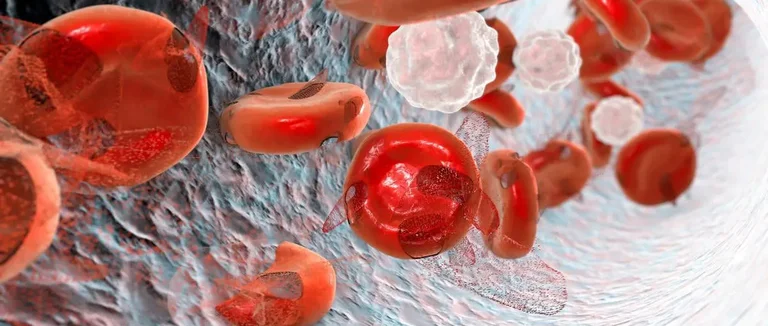
Anemia of chronic illness is a puzzle. Patients have normal iron levels but low hemoglobin. This goes against what we usually think of anemia.
We will look into this mystery. First, we'll cover what anemia usually means. Then, we'll dive into cases where patients have normal iron but are anemic.
The Conventional Understanding of Anemia
Anemia means not enough red blood cells or poor quality ones. These cells carry oxygen. Iron deficiency is the main cause, as it stops hemoglobin production.
Key indicators of anemia include:
● Low hemoglobin levels
● Low hematocrit (the proportion of red blood cells in blood)
● Reduced mean corpuscular volume (MCV), indicating smaller than normal red blood cells
The Puzzling Case of Normal Iron Stores with Anemia
In anemia of chronic illness, patients have normal iron but are anemic. This condition is marked by:
● Normal or even elevated ferritin levels (indicating adequate iron storage)
● Low serum iron levels
● Low transferrin saturation
● Elevated hepcidin levels, which play a key role in iron metabolism
Inflammation is a big part of this condition. It messes with how iron is used, causing a functional iron deficiency. We'll look into this more in the next sections.
Anemia of Chronic Illness: The Second Most Common Type Worldwide
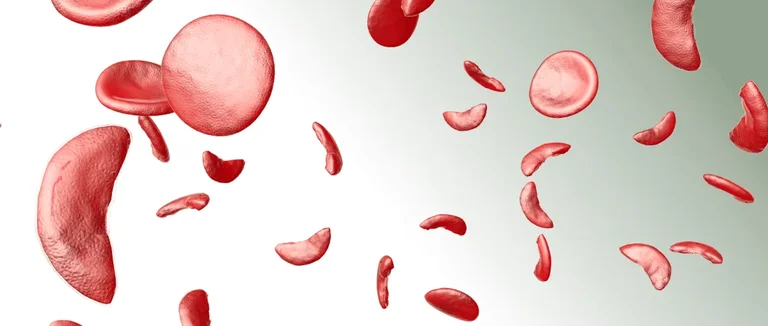
Anemia of chronic illness is a big problem in healthcare, being the second most common anemia type. We will look into what it is, how common it is, and its other names. This will help us understand its role in chronic diseases.
Definition and Prevalence Statistics
Anemia of chronic illness, also known as anemia of inflammation, happens in people with long-term diseases. These include infections, autoimmune disorders, and cancer. It's a big issue, affecting many patients with chronic conditions.
Research shows it's the second most common anemia worldwide, after iron deficiency anemia. The exact number of people affected varies. But, up to 50% of patients with certain chronic diseases might get anemia of chronic illness.
Alternative Names: Anemia of Inflammation and Anemia of Chronic Disease
Anemia of chronic illness is also known as anemia of inflammation and anemia of chronic disease. These names show its link to long-term inflammation and disease.
Knowing these names is key for doctors to diagnose and treat it well. It shows how chronic illness, inflammation, and anemia are connected.
| Condition | Prevalence of Anemia | Common Causes |
| Chronic Infections | 30-50% | Infections such as HIV, Tuberculosis |
| Autoimmune Disorders | 20-40% | Rheumatoid Arthritis, Lupus |
| Cancer | 30-70% | Various malignancies |
How Inflammation Disrupts Iron Metabolism
Inflammation can mess up how the body uses iron, leading to anemia. This mess is caused by the immune system and how it controls iron.
The Inflammatory Response Cascade
The immune system starts the inflammatory response when it sees infection, injury, or chronic disease. This response sends out cytokines. These are molecules that help fight off the cause of inflammation.
Cytokines and Their Effect on Red Blood Cell Production
Cytokines are key in the inflammatory response. They affect how red blood cells are made. They can lower the production of erythropoietin, a hormone needed for red blood cells. They also stop red blood cell precursors from growing.
Iron Sequestration in Body Tissues
Inflammation makes iron hide in body tissues. This makes it hard for the body to use it for making red blood cells. Hepcidin, a protein, controls this by managing how iron is absorbed and released.
| Parameter | Normal Condition | During Inflammation |
| Hepcidin Levels | Low to normal | Elevated |
| Iron Absorption | Normal | Decreased |
| Iron Storage | Available for erythropoiesis | Sequestered in tissues |
| Erythropoietin Production | Normal | Suppressed |
| Red Blood Cell Production | Normal | Decreased |
In conclusion, inflammation messes with iron metabolism in many ways. It releases cytokines and hides iron in tissues. Knowing this helps us understand and treat anemia in chronic illnesses.
The Critical Role of Hepcidin in Anemia of Chronic Illness
Hepcidin plays a key role in anemia caused by chronic diseases. It controls iron levels in the body. When hepcidin doesn't work right, anemia can develop.
What Is Hepcidin and How It Functions
Hepcidin is made in the liver and manages iron levels. It works by binding to ferroportin, which is on the surface of cells. This action stops iron from being released into the blood.
In healthy people, hepcidin levels match the body's iron needs. But, in those with chronic illnesses, this balance is lost.
How Hepcidin Blocks Iron Export from Cells
Hepcidin stops iron from leaving cells by binding to ferroportin. This keeps iron inside cells, mainly in macrophages. With less iron, making red blood cells is harder.
Iron sequestration is a main reason for anemia in chronic illnesses. Even with enough iron, it's not used for hemoglobin, causing anemia.
The Relationship Between Inflammation and Hepcidin Levels
Inflammation makes hepcidin levels go up. Cytokines like IL-6 tell the liver to make more hepcidin. This means less iron for making red blood cells, leading to anemia.
The link between inflammation, hepcidin, and iron is key to understanding anemia in chronic illnesses. Knowing this helps in finding better treatments.
Iron Deficiency Anemia vs. Anemia of Chronic Illness: Key Differences
Iron Deficiency Anemia and Anemia of Chronic Illness are two different conditions. They have different causes and show up differently in lab tests. Iron Deficiency Anemia happens when there's not enough iron for hemoglobin. Anemia of Chronic Illness, on the other hand, is linked to long-term diseases and has more complex reasons.
Contrasting Laboratory Profiles
Labs are key in telling these two apart. Iron Deficiency Anemia shows low iron, ferritin, and high TIBC in tests. Anemia of Chronic Illness has low iron but normal or high ferritin and TIBC.
| Laboratory Parameter | Iron Deficiency Anemia | Anemia of Chronic Illness |
| Serum Iron | Low | Low |
| Ferritin | Low | Normal or Elevated |
| Total Iron-Binding Capacity (TIBC) | High | Normal or Low |
Iron Storage Patterns in Both Conditions
Iron storage is another area where these conditions differ. In Iron Deficiency Anemia, iron stores are low, shown by low ferritin. But in Anemia of Chronic Illness, iron stores are normal or high. Yet, the iron can't be used for making red blood cells because of inflammation.
Clinical Presentation Differences
Both conditions can cause fatigue and weakness, but they show up differently. Iron Deficiency Anemia might also cause brittle nails, hair loss, and restless legs. Anemia of Chronic Illness, though, often shows symptoms of the underlying disease along with anemia.
Knowing these differences helps us choose the right treatment for each patient. By correctly identifying Iron Deficiency Anemia or Anemia of Chronic Illness, we can better meet their needs.
Underlying Medical Conditions Associated with Anemia of Chronic Illness
Many chronic medical conditions can cause Anemia of Chronic Illness. This condition happens even when iron levels are normal. We will look at how these conditions affect this type of anemia.
Autoimmune Disorders
Autoimmune disorders like Rheumatoid Arthritis and Lupus cause chronic inflammation. This inflammation messes with iron metabolism. For example, in Rheumatoid Arthritis, inflammation increases cytokines. These cytokines affect red blood cell production and iron availability.
Research shows that people with Rheumatoid Arthritis often get Anemia of Chronic Illness. This can really lower their quality of life. It's key to manage the autoimmune condition to tackle the anemia.
Chronic Infections
Chronic infections, like HIV and Tuberculosis, can also cause Anemia of Chronic Illness. The ongoing infection leads to inflammation. This inflammation changes iron metabolism and hampers red blood cell production.
In HIV, the virus can harm the bone marrow, making anemia worse. It's important to understand how chronic infections and anemia interact. This knowledge helps in finding effective treatments.
Cancer and Malignancies
Cancer and malignancies are also linked to Anemia of Chronic Illness. The inflammation from cancer and treatments like chemotherapy disrupt normal blood cell production.
Anemia in cancer patients can greatly affect their prognosis and life quality. Treating the anemia is a critical part of cancer care.
Chronic Kidney Disease and Heart Failure
Chronic Kidney Disease (CKD) and Heart Failure can also cause Anemia of Chronic Illness. In CKD, the kidneys don't make enough erythropoietin, leading to anemia. In Heart Failure, chronic inflammation and poor kidney function hinder red blood cell production.
Dealing with these conditions needs a broad approach. This includes treating the anemia to better patient outcomes.
Diagnostic Approach: Identifying Anemia with Normal Iron Levels
To diagnose anemia with normal iron levels, doctors need to understand several things. They look at how inflammation, iron use, and red blood cell making work together. Anemia of chronic illness is tricky to diagnose because of its complex nature.
Complete Blood Count Interpretation
A complete blood count (CBC) is key in diagnosing anemia. It checks important things like:
● Hemoglobin (Hb) levels to confirm anemia
● Mean corpuscular volume (MCV) to classify anemia as microcytic, normocytic, or macrocytic
● Red blood cell distribution width (RDW) to assess variability in red blood cell size
These help tell if it's anemia of chronic illness or another type.
Iron Studies and What They Reveal
Iron studies are important for understanding iron use and finding the right diagnosis. They include:
| Test | Description | Typical Findings in Anemia of Chronic Illness |
| Serum Iron | Measures circulating iron | Often decreased |
| Total Iron Binding Capacity (TIBC) | Assesses transferrin's capacity to bind iron | Typically decreased or normal |
| Ferritin | Reflects stored iron | Normal or elevated |
| Transferrin Saturation | Indicates the percentage of transferrin saturated with iron | Often decreased |
These tests help tell anemia of chronic illness apart from iron deficiency anemia.
Inflammatory Markers to Assess
Checking inflammatory markers is key in diagnosing anemia of chronic illness. Important markers are:
● C-reactive protein (CRP)
● Erythrocyte sedimentation rate (ESR)
High levels of these markers show inflammation, helping confirm anemia of chronic illness.
Differential Diagnosis Considerations
When diagnosing anemia of chronic illness, it's important to think about other possible causes. These include:
● Iron deficiency anemia
● Anemia due to other chronic diseases
● Myelodysplastic syndromes
Looking closely at lab results and symptoms helps make the right diagnosis.
Clinical Symptoms and Their Impact on Quality of Life
Anemia of chronic illness shows many symptoms that deeply affect a person's health. These signs are not just from the anemia but also from the chronic illness itself.
Fatigue and Reduced Exercise Tolerance
Fatigue is a big problem for those with anemia of chronic illness. It's not just feeling tired. It's a constant lack of energy that makes daily tasks hard and lowers exercise ability. Even simple things become hard, and patients often need to rest a lot.
Research shows that fatigue in this condition comes from many places. It's not just the anemia but also the ongoing inflammation and the disease itself. For example, a study on rheumatoid arthritis patients found those with anemia of chronic illness felt much more tired than those without.
Cognitive Effects and Mood Changes
Anemia of chronic illness also affects the mind and mood. People struggle with focusing, remembering things, and making decisions. These problems can make life harder and lower quality of life.
Mood changes like being irritable, anxious, or depressed are common too. The mix of chronic illness, anemia, and the mental strain of living with a long-term condition can make these feelings worse.
Other Physical Manifestations
Patients with anemia of chronic illness also face other physical issues. They might feel short of breath, dizzy, or have pale skin. These symptoms not only harm the body but also affect the mind, leading to feelings of frustration and helplessness.
● Shortness of breath (dyspnea)
● Dizziness or lightheadedness
● Pale skin (pallor)
● Cold hands and feet
Distinguishing Symptoms from Underlying Disease
It's important to tell apart symptoms of anemia of chronic illness from those of the chronic disease itself. Fatigue, for example, is common in many diseases, making it hard to know how much anemia adds to it.
"Accurate diagnosis and management of anemia of chronic illness require a thorough understanding of the relationship between the anemia, the chronic condition, and the patient's health."
Doctors need to carefully look at each patient to create a good treatment plan. This plan should tackle both the anemia and the chronic disease.
Treatment Strategies for Anemia of Chronic Illness
Anemia of chronic illness needs a detailed treatment plan. It focuses on the disease causing the anemia and the anemia itself. Understanding how the chronic illness and anemia interact is key.
Addressing the Underlying Condition
The first step is to treat the chronic illness. This might mean managing inflammation, treating infections, or slowing cancer growth. Fixing the root cause can help improve anemia symptoms.
When Iron Supplementation Is Appropriate
Iron supplements are often used for iron deficiency anemia. But, they're not always the best choice for anemia of chronic illness. We use iron supplements if tests show iron deficiency. Yet, iron supplements might not work well because of inflammation.
Erythropoiesis-Stimulating Agents: Benefits and Risks
Erythropoiesis-stimulating agents (ESAs) help make more red blood cells. They're used in patients with chronic kidney disease or cancer. ESAs can raise hemoglobin levels and reduce the need for blood transfusions. But, they can also increase the risk of blood clots and tumor growth. So, their use must be carefully thought out and monitored.
Blood Transfusions: Indications and Considerations
Blood transfusions are for severe anemia or when quick hemoglobin correction is needed, like before surgery. But, they come with risks like iron overload and reactions. We decide on transfusions based on the patient's condition, anemia severity, and overall health.
In summary, treating anemia of chronic illness needs a personalized approach. It considers the underlying disease, anemia severity, and the patient's specific needs. By knowing the different treatment options, we can give effective care to those with this complex condition.
Emerging Therapies Targeting Iron Metabolism
Our understanding of anemia of chronic illness is growing. New treatments are being explored, focusing on iron metabolism. This could lead to better ways to manage the condition.
Hepcidin Antagonists in Development
Hepcidin antagonists are a new hope. They target hepcidin, the main controller of iron in the body. Several are in clinical trials, showing promise by boosting iron levels.
Novel Anti-Inflammatory Approaches
Inflammation plays a big role in anemia of chronic illness. New treatments aim to fight this inflammation. These treatments could also lower hepcidin levels, helping iron get to where it's needed.
Ferroportin Modulators
Ferroportin modulators are also being researched. Ferroportin is key for iron to leave cells. By making more iron available, these treatments could help with anemia.
Clinical Trials and Research Progress
These new treatments are being tested in clinical trials. These trials are important for checking if they work and are safe. So far, the results look good, showing they might help patients feel better.
These emerging therapies offer many benefits:
● They could tackle the root causes of anemia of chronic illness.
● They might reduce the need for blood transfusions and other treatments.
● They could lead to treatments tailored to each patient's needs.
Living with Anemia of Chronic Illness: Self-Management Strategies
Dealing with anemia of chronic illness can be tough. But, there are ways to make it easier. By using these strategies every day, patients can feel better and live better.
Nutritional Approaches and Dietary Considerations
Eating right is key to managing anemia. Increasing iron intake is important. Foods like red meat, beans, and fortified cereals are good sources. But, always talk to a doctor before taking iron supplements.
Vitamin C helps your body absorb iron better. So, eating foods high in vitamin C, like citrus fruits, is good. Also, avoid foods that block iron absorption, like tea and coffee.
A diet full of folate and vitamin B12 is also important. These vitamins help make red blood cells.
Energy Conservation Techniques
Fatigue is a big problem with anemia. Saving energy is very important. Try pacing activities and breaking tasks into smaller steps.
Taking regular breaks and resting enough is also key. Using assistive devices can help too. They make it easier to move around without getting tired.
Exercise Recommendations and Limitations
Exercise is good for everyone, but with anemia, it needs to be careful. Gentle exercises like yoga or short walks are okay. They help with circulation and reduce tiredness. But, don't push too hard.
Always talk to your doctor before starting any new exercise. They can help figure out what's safe for you.
When to Contact Your Healthcare Provider
Knowing when to see a doctor is important. If symptoms get worse or new ones show up, like increased fatigue or shortness of breath, call your doctor right away.
Regular check-ups with your doctor are also important. They help keep your anemia under control.
Conclusion: Understanding the Complexity of Anemia with Normal Iron Levels
Anemia of chronic illness is a complex condition. It happens when someone has anemia but their iron levels are normal. We've seen how chronic inflammation messes with iron metabolism, causing this issue.
The role of hepcidin in stopping iron from leaving cells is key. We've also looked at the many medical conditions linked to this anemia.
Diagnosing this anemia needs a detailed look. This includes checking blood counts, iron levels, and inflammation markers. Treatment aims at the root cause, with iron supplements, agents that help blood cells grow, and blood transfusions used when needed.
New treatments that target iron metabolism are on the horizon. By grasping the causes, symptoms, and treatments for anemia of chronic illness, doctors can create better care plans. We see that this anemia is more than a simple issue. It's a complex mix of factors needing a detailed approach.
Foire Aux Questions
Yes, it's possible to have anemia even with normal iron levels. This often happens in anemia of chronic illness. In this case, inflammation stops the body from using iron properly.
Anemia of chronic illness, or anemia of inflammation, is a condition. It affects people with long-term diseases or ongoing inflammation. They can have anemia even with enough iron in their bodies.
Inflammation messes with how the body uses iron. It releases substances that lock iron away in tissues. This makes it hard for the body to make red blood cells. It also raises hepcidin levels, which stops iron from leaving cells.
Hepcidin is key in anemia of chronic illness. It blocks iron from leaving cells. This reduces the iron available for making red blood cells, causing anemia.
Doctors diagnose it by looking at blood counts, iron tests, and inflammation markers. They also consider other possible causes to make sure of the diagnosis.
Symptoms include feeling very tired, not being able to exercise, and problems with thinking and mood. These symptoms can really affect a person's life.
Treatment includes managing the underlying condition and sometimes iron supplements. Doctors might also use erythropoiesis-stimulating agents or blood transfusions, depending on the situation.
New treatments include hepcidin blockers, anti-inflammatory drugs, and ferroportin modulators. These aim to improve iron use and treatment results.
Yes, good nutrition and energy-saving tips can help. Tailored exercise plans also play a role in managing the condition and improving life quality.
Conditions like autoimmune diseases, chronic infections, cancer, and kidney disease are linked. They cause ongoing inflammation that leads to anemia.
Anemia of chronic illness has different lab results and clinical signs than iron deficiency anemia. Accurate diagnosis is important for the right treatment.
* Le contenu de notre site web est uniquement destiné à des fins d'information. Veuillez consulter votre médecin pour obtenir un diagnostic et un traitement. Le contenu de la page ne contient pas d'informations sur les services de santé thérapeutiques de l'hôpital Liv.
 Bu İçeriği Yapay Zeka İle Özetle