


How to Understand Brainstem Glioma: A Patient Guide

-
What is Brainstem Glioma?
-
Anatomy and Function of the Brainstem
-
Types of Stem Glioma and Classification
-
Epidemiology: Who Gets Brainstem Glioma
-
Recognizing the Signs and Symptoms
-
The Diagnostic Journey
-
Treatment Approaches for Brainstem Glioma
-
The Multidisciplinary Care Team
-
Understanding Prognosis and Outcomes and
-
Living with Brainstem Glioma
-
Emotional Support and Coping Strategies
-
Conclusion



Getting a diagnosis of brainstem glioma can feel overwhelming. This rare tumor starts in the brainstem's glial cells. It's a critical area that connects the brain to the spinal cord. Brainstem gliomas grow fast and need quick, specialized care.
These tumors are found in about 15% of kids with brain cancers. They happen in areas that control important functions. This makes them very challenging to treat. We'll help you understand this condition, how it's diagnosed, and treatment options. This will give you the knowledge to face this tough journey.
Key Takeaways
● Brainstem glioma is a rare and aggressive brain tumor.
● It originates in the glial cells of the brainstem.
● Specialized medical care is required for treatment.
● The tumor's location presents unique challenges.
● Understanding the condition is key for patients and families.
What is Brainstem Glioma?
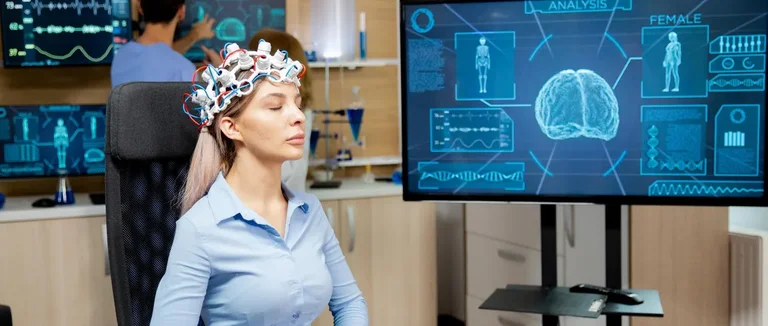
Brainstem glioma is a type of tumor that starts in the brain stem. This part of the brain connects directly with the spinal cord. According to Medical News Today, "A brain stem glioma is a type of tumor that begins in the brain stem, which is the part of the brain that makes direct contact with the spinal cord."
Definition and Basic Characteristics
Brainstem gliomas are rare and can grow quickly. They make up 4.3% of all gliomas. Yet, they are 15% of pediatric brain tumors and less than 2% in adults. This shows how important it is to know about this condition, mainly in kids.
"Brainstem gliomas are a diverse group of tumors," medical experts say. "They vary in how aggressive they are and how they grow." This makes it hard to diagnose and treat them.
Location in the Brain
The brainstem is key, linking the cerebrum to the spinal cord. It controls automatic functions like breathing and heart rate. Where a brainstem glioma is located can affect symptoms and treatment.
Tumors in the brainstem can be serious because of its role in controlling important functions. Knowing where and what brainstem gliomas are helps doctors plan better treatments.
Anatomy and Function of the Brainstem
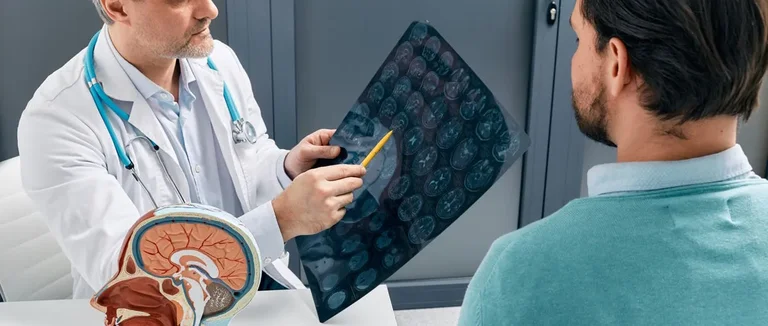
It's key to know how the brainstem works and its structure. It links the cerebrum to the spinal cord. It's made up of the midbrain, pons, and medulla oblongata.
Critical Functions Controlled by the Brainstem
The brainstem controls many vital things, like:
● Breathing
● Heart rate
● Blood pressure
● Swallowing
● Alertness and arousal
These are essential for staying alive. Damage to the brainstem can be very serious.
Why Location Matters for Symptoms and Treatment
The spot where a brainstem glioma is located affects symptoms and treatment. Tumors in different spots can mess with different nerves and body functions.
The Medical organization says the brain stem is vital for many important tasks. Data from the Surveillance, Epidemiology, and End Results (SEER) database shows a rate of 0.311 cases per 100,000 person-years for brainstem tumors.
Types of Stem Glioma and Classification
Brainstem gliomas are divided into types based on where they grow and how aggressive they are. Knowing the type helps doctors choose the best treatment.
Diffuse Intrinsic Pontine Glioma (DIPG)
Diffuse Intrinsic Pontine Glioma (DIPG) is the most common and aggressive brainstem glioma in kids. It makes up about 75% of brainstem tumors in children. It grows in the pons and spreads out, making surgery hard.
Focal and Exophytic Brainstem Gliomas
Focal brainstem gliomas are more contained and might be easier to remove surgically. Exophytic brainstem gliomas grow out from the brainstem, which could help with surgery. These gliomas are less common and can be less aggressive than DIPG.
WHO Grading System (Grades 1-4)
The World Health Organization (WHO) grades gliomas from 1 (least aggressive) to 4 (most aggressive). Knowing the WHO grade helps predict how well a patient will do and what treatment to use.
Understanding the type and grade of a brainstem glioma is key to managing these tumors. It helps doctors create a treatment plan that fits the patient's needs.
Epidemiology: Who Gets Brainstem Glioma
Brainstem glioma is more common in kids than in adults. This is shown in many medical studies. It's a big deal in the world of pediatric medicine.
Incidence Rates and Statistics
Brainstem gliomas are a big part of brain tumors in kids. They make up about 10-15% of all brain tumors in children. Even though they're not very common, they're very serious because of their location and poor outlook.
Pediatric vs. Adult Presentation
In kids, brainstem gliomas are usually more aggressive and have a worse outlook than in adults. Diffuse Intrinsic Pontine Glioma (DIPG) is a common type in kids, known for its bad prognosis. Adults, on the other hand, tend to have lower-grade gliomas, which might have a better chance of recovery.
Risk Factors and Genetic Considerations
The exact causes of brainstem glioma are not fully known. But, some genetic mutations and syndromes increase the risk. For example, Li-Fraumeni syndrome and other genetic conditions might play a role. More research is needed to understand these factors better.
Important statistics and risk factors include:
● Higher incidence in children than adults
● Poor prognosis for high-grade gliomas, like DIPG
● Potential genetic predispositions in some cases
Recognizing the Signs and Symptoms
Brainstem glioma symptoms vary based on the tumor's size and where it is in the brainstem. As it grows, it can harm many important brain functions. This leads to a wide range of symptoms.
Early Warning Signs
Early signs of brainstem glioma include headaches, nausea, and vomiting. These are often due to increased pressure in the brain. Some people might also see double vision or have trouble swallowing.
These symptoms can be similar to those of other conditions. This makes it hard to diagnose early.
Common Symptom Progression
As the tumor gets bigger, symptoms can get worse and new ones can show up. Common symptoms include trouble speaking, hearing loss, and facial weakness. How fast these symptoms get worse can vary a lot.
When to Seek Immediate Medical Attention
Seek medical help right away if you have severe symptoms like sudden vision loss, severe headache, or trouble breathing. These could mean the tumor is growing fast and needs quick treatment.
Knowing the signs and symptoms of brainstem glioma is key for early diagnosis and treatment. If you notice any unusual or ongoing symptoms, see a doctor for an evaluation and care.
The Diagnostic Journey
Diagnosing brainstem glioma involves several steps. First, there are initial assessments and specialized imaging. Sometimes, a biopsy is needed. Getting the diagnosis right is key to choosing the right treatment.
Initial Evaluation and Referral Process
The first step is a detailed medical history and neurological check-up. If a brainstem glioma is thought of, you'll see a neurologist or neurosurgeon. They will do more tests to figure out what's going on.
Imaging Studies: MRI, CT, and Other Techniques
Imaging studies are very important for diagnosing brainstem glioma. Magnetic Resonance Imaging (MRI) is the top choice because it shows the brainstem clearly. It helps find out where the tumor is, how big it is, and what it looks like.
Computed Tomography (CT) scans are also used, mainly in emergencies. They are fast and can spot big tumors or changes in the brain.
| Imaging Technique | Advantages | Disadvantages |
| MRI | High-resolution images, detailed tumor characteristics | Longer scanning time, claustrophobia issues |
| CT Scan | Quick, widely available, good for emergency situations | Less detailed soft tissue imaging, radiation exposure |
Biopsy Considerations and Limitations
At times, a biopsy is needed to confirm the diagnosis. But, because of where brainstem gliomas are, biopsies are not always safe or possible. The choice to do a biopsy depends on the tumor's location and the patient's health.
Knowing about the diagnostic process helps patients and families understand brainstem glioma better. Getting the diagnosis right is the first step to the right treatment and care.
Treatment Approaches for Brainstem Glioma
Brainstem glioma treatment is complex. It depends on the tumor's type, size, and where it is. Each treatment plan is made just for the patient. It considers the tumor's details and the patient's health.
Standard Treatment Protocols
For brainstem glioma, treatments often combine several methods. Radiation therapy is a main treatment, mainly for diffuse intrinsic pontine glioma (DIPG). Chemotherapy might also be used, alone or with radiation.
| Treatment Type | Description | Applicability |
| Radiation Therapy | High-energy rays targeting tumor cells | Primary treatment for DIPG and other gliomas |
| Chemotherapy | Drugs used to kill tumor cells | Used alone or with radiation therapy |
| Surgery | Surgical removal of the tumor | Limited applicability due to tumor location |
Surgical Considerations
Surgery for brainstem glioma is hard because of the tumor's location. Sometimes, surgical intervention is considered for tumors that are easier to reach. But, for many, surgery is not safe because it could harm nearby brain tissue.
Clinical Trials and Experimental Therapies
Clinical trials and new treatments offer hope for better outcomes. These might include new chemotherapy, targeted therapies, or new radiation methods. Patients and their families should talk about the benefits and risks of clinical trials with their doctors.
Knowing about different treatments helps patients make informed choices. It's key to work with a team of doctors to find the best treatment for each brainstem glioma case.
The Multidisciplinary Care Team
Patients with brainstem glioma need a team of healthcare experts. This team works together to cover all parts of the patient's care. This way, every aspect of the patient's health is looked after.
Key Specialists Involved in Your Care
A team of specialists is key for managing brainstem glioma. This team includes neurosurgeons for surgery, neuro-oncologists for tumor treatment, and radiation oncologists for radiation therapy. Also, rehabilitation specialists help patients regain lost functions and improve their life quality.
Coordinating Care Across Disciplines
It's important for specialists to work together for effective care. They need to communicate well, have regular meetings, and understand the patient's plan. Effective coordination leads to timely decisions and changes in treatment if needed.
Questions to Ask Your Healthcare Team
Patients and their families should ask questions to understand their care. Asking the right questions helps clarify the treatment plan and what to expect. Some important questions are: "What are the possible side effects of treatment?" "How will my condition be checked?" and "What support services are available?"
Understanding Prognosis and Outcomes and
The outlook for brainstem glioma changes a lot based on a few important things. These include the tumor's type and grade. Knowing these details helps patients and their families make better choices about their treatment.
Factors That Influence Prognosis
Many things affect how well someone with brainstem glioma will do. The tumor's location, type, and grade are big factors. Diffuse Intrinsic Pontine Glioma (DIPG) usually has a worse outlook than other types of brainstem gliomas. The patient's age and health also matter a lot.
Survival Statistics by Tumor Type and Grade
How long someone might live with brainstem glioma depends a lot on the tumor's type and grade. For example, people with low-grade gliomas often live longer than those with high-grade gliomas. Studies show that DIPG patients usually live about 9-12 months, but this can vary.
Quality of Life Considerations
Keeping a good quality of life is key for brainstem glioma patients. It's important to manage symptoms, deal with treatment side effects, and keep functional abilities. Palliative care is very helpful in this area. It focuses on easing symptoms and stress from serious illnesses.
Living with Brainstem Glioma
Brainstem glioma affects more than just the diagnosis. It impacts many parts of a patient's life. We must focus on managing side effects, exploring rehabilitation, and understanding palliative care.
Managing Treatment Side Effects
Managing side effects is key to a good quality of life. Brainstem glioma treatment can cause many side effects. These can include physical, cognitive, and emotional changes.
"Patients need to be aware of these side effects and work closely with their healthcare team," says Medical Expert, a leading neuro-oncologist. They can use medication, physical therapy, and make lifestyle changes to help.
Rehabilitation Options
Rehabilitation is vital for patients to regain lost functions. It includes physical, occupational, and speech therapy. These therapies help patients adapt to changes and improve their independence.
Palliative Care Approaches
Palliative care is a key part of brainstem glioma care. It focuses on relieving symptoms and stress of serious illnesses. Palliative care teams address patients' physical, emotional, and social needs.
As the Medical organization notes, "Palliative care is specialized medical care for people living with a serious illness, such as brainstem glioma."
By combining these approaches, patients with brainstem glioma get the care they need. This improves their overall well-being.
Emotional Support and Coping Strategies
Getting a brainstem glioma diagnosis is tough, both physically and emotionally. It shows the importance of strong support systems. Dealing with such news is hard, as Medical News Today points out.
Processing Your Diagnosis
Understanding your diagnosis is key to healing. It means accepting the condition and knowing what it means. Emotional support is very important in this journey.
Patients can get help from:
● Counseling to manage anxiety and depression
● Support groups to connect with others
● Family support to keep a strong network
Support for Families and Caregivers
Families and caregivers face big challenges too. They need support to handle the stress and uncertainty of caring for someone with a brainstem glioma.
There are resources for families, like:
● Counseling for caregivers
● Support groups for families
● Respite care for a break
Finding Support Groups and Counseling
Finding the right support is key. Patients and families can find help in many ways:
| Support Type | Description | Benefits |
| Online Support Groups | Virtual communities for sharing experiences | Accessibility, anonymity, and a sense of community |
| In-Person Counseling | Face-to-face therapy sessions | Personalized support and emotional release |
| Family Therapy | Therapy involving the patient and their family | Improved communication and family bonding |
Conclusion
Brainstem gliomas are complex and hard to treat. We've looked at what they are, how they're diagnosed, and how they're treated. It's clear that a team of experts is needed to care for these patients.
Understanding brainstem gliomas is key for those affected. The tumor's location in the brainstem makes treatment tough. Diagnosing it involves imaging and clinical checks.
In summary, caring for brainstem glioma patients requires a full approach. While treatments are limited, research and trials bring hope. We must support patients and their families through this tough time.
Foire Aux Questions
A brainstem glioma is a rare brain tumor. It starts in the glial cells of the brainstem. This part connects the brain to the spinal cord.
There are several types of brainstem gliomas. These include Diffuse Intrinsic Pontine Glioma (DIPG), focal gliomas, and exophytic gliomas. Each type varies in how aggressive it is and where it is located in the brainstem.
People with brainstem glioma may have trouble with coordination and balance. They might also feel weakness or numbness in their face or limbs. Vision problems and speech and swallowing difficulties are common symptoms too.
To diagnose brainstem glioma, doctors use imaging studies like MRI or CT scans. Sometimes, a biopsy is needed to confirm the diagnosis and find out the tumor's grade.
Treatment options depend on the tumor's type and grade. They may include standard treatments, surgery, or experimental therapies through clinical trials.
The prognosis depends on several factors. These include the tumor type, grade, and location, as well as the patient's overall health. Survival rates vary a lot among different types and grades of brainstem gliomas.
Coping strategies include getting emotional support from healthcare providers and support groups. Counseling services can also help. It's important to manage treatment side effects and keep quality of life in mind.
A multidisciplinary care team is key in managing brainstem glioma. It includes neurosurgeons, oncologists, and rehabilitation therapists. They work together to provide the best care and support to patients and their families.
While the exact causes of brainstem glioma are not known, some genetic conditions and radiation exposure may increase the risk.
Surgery is not always an option for brainstem gliomas. This is because of their location and the risk of damaging important brain structures. But, in some cases, surgery might be part of the treatment plan.
Brainstem glioma is a general term for various gliomas in the brainstem. Glioblastoma of the brain stem, on the other hand, is a specific type of aggressive and malignant glioma. It is often classified as a Grade 4 tumor under the WHO grading system.
* Le contenu de notre site web est uniquement destiné à des fins d'information. Veuillez consulter votre médecin pour obtenir un diagnostic et un traitement. Le contenu de la page ne contient pas d'informations sur les services de santé thérapeutiques de l'hôpital Liv.
 Bu İçeriği Yapay Zeka İle Özetle