



-
Understanding Thalassemia: Causes and Symptoms of Mediterranean Anemia
-
What is Thalassemia (Mediterranean Anemia)?
-
What Causes Mediterranean Anemia?
-
Does every paleness mean thalassemia?
-
How do I understand if I am a thalassemia carrier?
-
If carrying thalassemia is not a disease
-
why is it important to know?
-
Is there a definitive treatment for carriers?


Almost every mother knows the importance of nutrition and the role of iron, folic acid, vitamin B12 and zinc in blood production. They even visit doctors for the suspicion of iron deficiency due to problems like loss of appetite and learning difficulty. However, children may appear pale despite all these. Or iron levels may not improve in spite of receiving a long-term iron replacement therapy. In such case, the problem must be further investigated.Liv Hospital Pediatric Hematology Specialists provided information about thalassemia and its treatment.
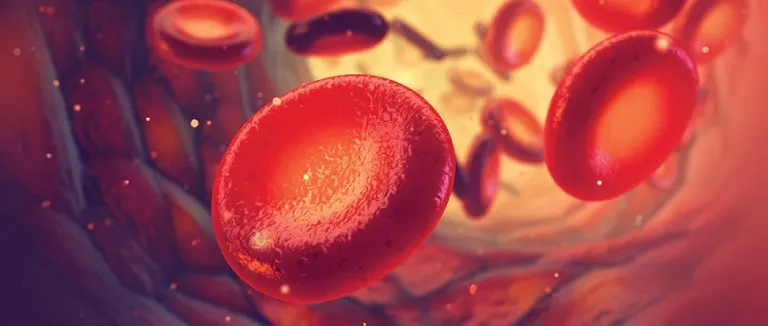
Half of our genes are from our mothers, and the other half is from our fathers. Thalassemia occurs like this as well; even if we inherit a disrupted gene, the disease would not occur as long as the other parent is healthy. However, we become thalassemia carriers. Even though we are not sick, we can give that gene to our children. If our partner is healthy in terms of this gene, your child will be a carrier with a fifty percent chance. However, if our partner is also a carrier, then our child may have thalassemia. Or if our child becomes a carrier, then our grandchild can have the disease. Being a thalassemia carrier may not manifest any symptoms. However, thalassemia is a severe disease and the patients are required to receive periodic blood transfusion for their lifetime. The only alarming factor that reveals thalassemia carrier might be pale look. Thalassemia carriers continue their normal life. They can perform difficult physical professions like police, military, doctor, and have multiple children although their pregnancies may be more difficult. They have slightly reduced blood count and it may be missed if not paid enough attention. Therefore, if your levels do not respond iron therapy despite long-term careful medication, thalassemia carrier is suspected.
Understanding Thalassemia: Causes and Symptoms of Mediterranean Anemia
Thalassemia, commonly known as Mediterranean Anemia, is a chronic and inherited blood disorder that affects the body’s ability to produce hemoglobin. Hemoglobin is the protein in red blood cells that carries oxygen throughout the body. When hemoglobin production is disrupted, it leads to anemia, causing fatigue and other health complications.
What is Thalassemia (Mediterranean Anemia)?
Thalassemia is a genetic condition characterized by a deficiency in the production of alpha or beta globin chains, which are the building blocks of hemoglobin. It is not contagious; rather, it is passed down from parents to children through genes.
The disorder is generally categorized into two main types:
- Alpha-Thalassemia: Occurs when one or more of the four alpha-globin genes are missing or damaged.
- Beta-Thalassemia: Occurs when both of the beta-globin genes are affected. This is the most common form found in the Mediterranean region.
What Causes Mediterranean Anemia?
The primary cause of Thalassemia is genetic mutations. These mutations occur in the DNA of cells that produce hemoglobin.
- Genetic Inheritance: If only one parent is a carrier, the child may develop Thalassemia Minor. These individuals usually do not show symptoms but can pass the gene to their offspring.
- Severe Forms: If both parents carry the trait, there is a 25% chance that the child will be born with Thalassemia Major (Cooley’s Anemia), which requires lifelong medical treatment and regular blood transfusions.
Common Symptoms
- Symptoms vary depending on the severity of the disorder, but often include:
- Chronic fatigue and weakness
- Pale or yellowish skin (jaundice)
- Bone deformities, especially in the face
- Slowed growth and development in children
- Dark-colored urine
Does every paleness mean thalassemia?
Of course not. Your child may have a light skin. However, experienced eyes of your physician will differentiate this. Because lips and auricles are pink. Or maybe the drop or syrup you use for iron deficiency is not as effective, not absorbed, or there is an intestinal problem that hinders absorption. The best way to understand these conditions is referring a doctor.
How do I understand if I am a thalassemia carrier?
A simple blood count can tell whether you are a thalassemia carrier or not. You can clear all your questions by consulting a hematology specialist.
If carrying thalassemia is not a disease, why is it important to know?
People who are thalassemia carriers have folic acid deficiency. Therefore, they suffer from more severe infections than their peers as blood counts will be reduced. In addition, it is also important for detecting other thalassemia carriers in the family. Although it may appear as if it has no harm against the carrier, unnecessary iron intake can be prevented. In addition, future children of thalassemia carriers are at risk. These children will grow normally as their peers with a proper follow-up. Otherwise, developmental problems may occur due to chronic anemia.
Is there a definitive treatment for carriers?
It is not a treatment-requiring condition. They carry this gene for life. No treatment is required other than vitamin supplement. Thalassemia carriers can be easily diagnosed. A hematology specialist should be consulted for the early diagnosis of any future major anemias.
Frequently Asked Questions
Yes, Thalassemia can be prevented through genetic screening and counseling. Couples who are carriers can use Preimplantation Genetic Diagnosis (PGD) combined with IVF (In Vitro Fertilization). This technology allows doctors to test embryos for the Thalassemia gene before pregnancy, ensuring that only healthy embryos are implanted.
A Thalassemia carrier (Thalassemia Minor) usually has no symptoms or very mild anemia and does not require treatment. However, they can pass the gene to their children. Thalassemia disease (Thalassemia Major) is a more severe form where the body cannot produce enough hemoglobin, requiring lifelong medical care such as regular blood transfusions.
* Contents of this page is for informational purposes only. Please consult your doctor for diagnosis and treatment. The content of this page does not include information on medicinal health care at Liv Hospital
 Bu İçeriği Yapay Zeka İle Özetle